Why Have IT Hardware Prices Increased Over the Past Six Months?
Over the last six months, many businesses and consumers have noticed a noticeable rise in the cost of IT hardware — particularly PCs, laptops, and key components such as memory and storage. While price fluctuations in technology aren’t new, the scale and speed of recent increases have been unusual.
In this blog, we explain what’s happening in the market, why prices have risen so sharply, and what it means for businesses planning future IT investment
A Perfect Storm in the Global Hardware Market
The IT hardware industry is currently facing a combination of challenges that are affecting both pricing and availability.
One of the main drivers is the rapid expansion of Artificial Intelligence (AI) across industries. AI workloads require vast amounts of processing power, memory, and high‑performance storage. As a result, manufacturers are prioritising components for data centres and large‑scale AI deployments, reducing supply to the general PC and laptop market.
This increased demand has placed intense pressure on global manufacturing capacity, particularly for:
- RAM and memory modules
- Solid State Drives (SSDs)
- Processors and chipsets
When demand outpaces supply, prices inevitably rise.
Memory and Storage Costs Have Risen Significantly
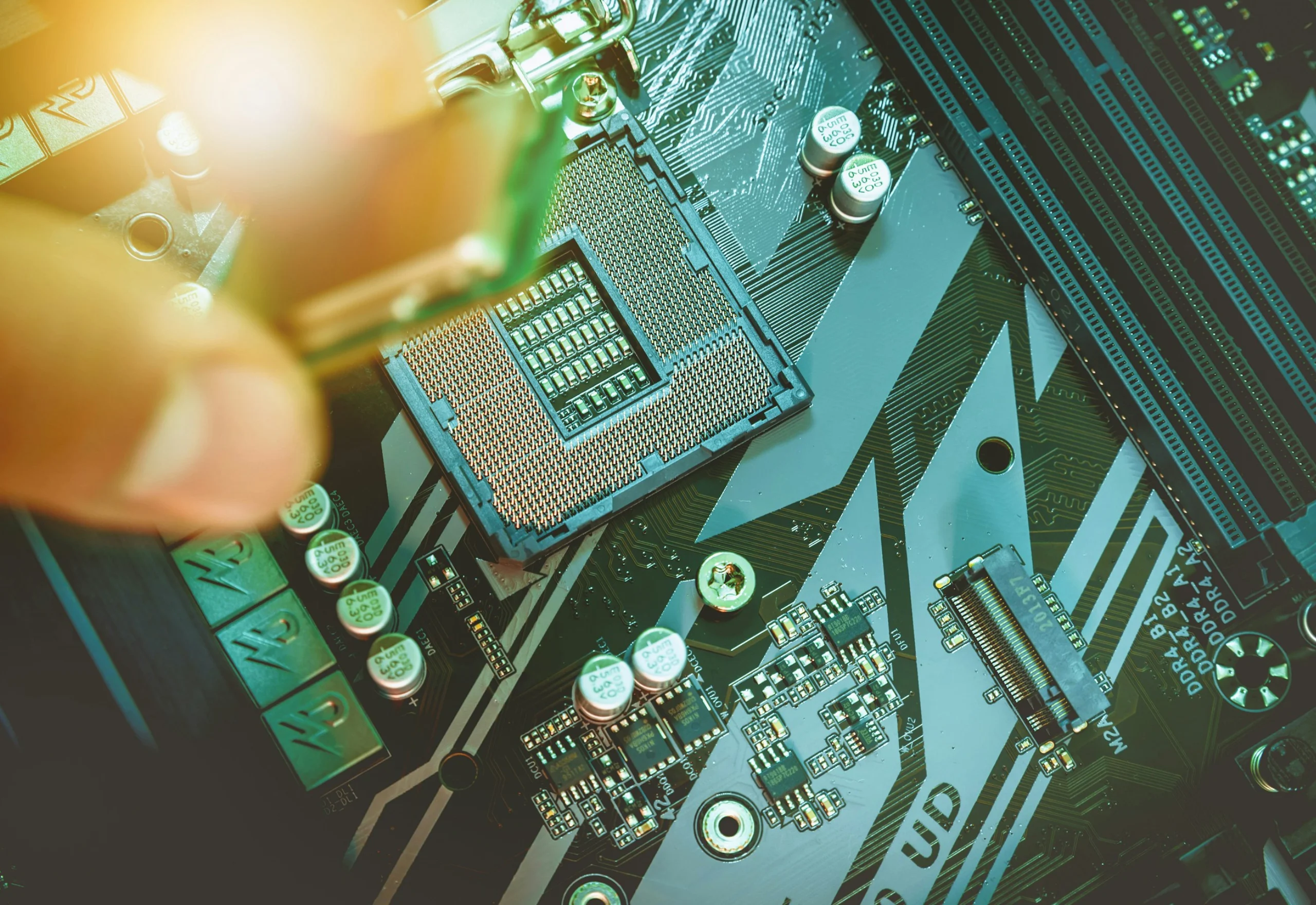
Memory and storage components have been among the hardest hit. Over recent months, manufacturers have implemented multiple price increases, sometimes with very little notice. In many cases, pricing can now change daily, rather than weekly or monthly as was historically the norm.
At the same time, availability has become less predictable. Certain specifications or models may be temporarily unavailable, allocated, or subject to longer lead times, making sourcing hardware more challenging.
Shorter Price Validity and Stock Constraints
Another noticeable change is how long pricing remains valid. Where quotes were once stable for weeks, many suppliers now limit pricing to 24 hours due to volatility in the supply chain. This can be frustrating, but it reflects how quickly costs are changing behind the scenes.
Stock availability has also become more inconsistent, with some well‑known models appearing and disappearing with little warning. In some cases, alternative specifications or brands must be considered to avoid delays.

What This Means for Businesses
For organisations planning IT upgrades, refresh cycles, or new hardware purchases, this environment requires a slightly different approach:
- Early planning helps secure stock before prices move again
- Flexibility on specifications can improve availability and value
- Clear communication with your IT provider helps avoid surprises
Despite the challenges, there are still good solutions available — they just require a bit more forward thinking and expert guidance.
Our Commitment to You
We continue to work closely with our trusted suppliers to:
- Secure the best possible pricing in a volatile market
- Identify suitable alternatives where availability is limited
- Provide transparent advice so you can make informed decisions
While these market conditions are outside anyone’s control, our focus remains on helping our customers navigate them as smoothly as possible.
If you’re planning any upcoming hardware purchases or would like advice on timing, specifications, or alternatives, please don’t hesitate to get in touch with our team.
Thank you for your understanding and continued trust during this challenging period for the IT industry.